
The Fall You Didn't See Coming — And How to Stop It
Whether you've taken a tumble before or feel steady as can be, fall prevention matters for every older adult and it's worth taking seriously. It only takes one fall to set off a chain reaction: lost mobility, lost independence, less time with the people you love, and in the most serious cases, an earlier death than you'd otherwise have had. The good news? Awareness and a few smart habits go a long way. They can lower your risk, help you feel better day to day, and make it easier to stay right where you want to be—in your own home, on your own terms. And the small steps you take today don't just protect you now; they can pay off for years to come, in ways that ripple into other parts of your life too.
Here's why this matters: the CDC reports that falls are the leading cause of injury among adults 65 and older, and fall-related deaths are climbing. There's also a sneaky side effect—once you've fallen, you're more likely to fall again, and it can leave you second-guessing your own footing. Some older adults, especially after an injury, start pulling back from daily activities out of fear of falling. But less movement actually weakens balance and health further, making another fall more likely. It's a tough cycle, but here's the encouraging part: falls are largely preventable!
We've got plenty of practical tips coming your way in this blog. And don't forget to follow along on social media all month for quick reminders on how to stay a step ahead of falls.
Check Your Environment
Many homes have tripping hazards that are hard to spot when you aren’t consciously seeking them out. Scan your home for curled up rug edges, dimly lit areas that need more lighting, entryways that need a bench for safely removing shoes, and cluttered objects on the floor (especially near stairs). There is a great room-by-room guide online that helps you assess your home inside and out to check for potential fall hazards: Aging in Place Home Modifications: Room-by-Room Tour
For Methow At Home members, our volunteers are able to assist with many of these safety hazards, including things like installing wall bars in your bathroom, building entrance ramps in place of stairs, smoke detector maintenance, decluttering, and changing light bulbs. If you are a member and want help at home to do one of these tasks simply put in a service request!
Reducing Your Injury Risk
You can take a three-pronged approach to preventing injury by addressing your physical abilities, your mental approach and learning how to safely fall.
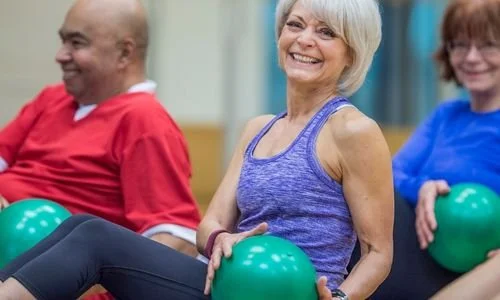
Methow At Home offers classes to improve your strength & balance and reduce the likelihood of falling and your resilience if you fall, reducing the likelihood of serious injury. These evidence-based SAIL (Stay Active and Independent for Life) classes focus on increasing your upper and lower body strength & flexibility through exercises that can be done standing or sitting. Another great option is our Tai Ji Quan classes!
Getting together with others, feeling encouraged by your instructor and moving your body are all great things for your mental and physical health. These classes are so popular that there is currently a waitlist - but reach out if you’re interested. We’re always trying to fit new people in where we can (Email Donna@methowathome.org).
We also offer A Matter of Balance, which takes more of a behavioral approach to falling. This class is especially useful to those that have already experienced a fall and feel concerned about movement, but it’s perfect for anyone with that wants to be proactive about falls. Through discussions and exercises participants are guided from a place of fear and uncertainty to confidence and ability. We’re offering this 8-session workshop starting October 6th - sign up early because space is limited.
Lastly, there are techniques you can practice to build muscle memory if a fall does occur. Instead of trying to catch yourself on your hands, you can learn to control your fall and lessen the impact. Practicing falling on padded mats with a trained professional can teach your body to instinctively protect vulnerable body parts during impact.
The Overlooked Culprit
Health professionals are beginning to realize the role that medications play in fall risk. It’s important to speak with your healthcare team about your medications and how they impact your balance. You can view a list of medications associated with falls here.
Schedule time with your doctor or pharmacist to review your medications and see if any adjustments might be needed to help you stay vertical. This simple task could go a long way in preventing an unnecessary fall.
Head to Toe Prevention
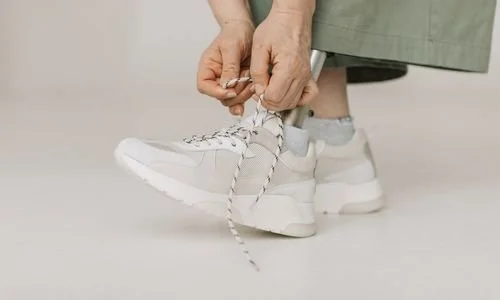
Two of the simplest fall-prevention upgrades are hiding in plain sight — your eyes and your shoes. Vision changes happen gradually, which means it's easy to miss how much they're affecting your footing. An annual eye exam (and updating that prescription!) makes a real difference.
Supportive shoes with good tread beat stylish-but-slippery every time. Your feet do a lot of work keeping you balanced; give them the right tools. Small steps can bring real results, but you have to take action.
Manifest Steadiness
Falling isn't an inevitable part of aging — it's a risk you have real power to reduce. Whether it's clearing a cluttered hallway, signing up for A Matter of Balance Workshop, reviewing your medications with your doctor, or simply scheduling that overdue eye exam, every small step adds up to steadier footing. You don't have to tackle it all at once, and you don't have to do it alone. Reach out to Methow At Home to learn more about our classes, workshops, and volunteer support — and take the first step toward staying active, confident, and independent for years to come.
Get your balance checked and more at the upcoming Methow Valley Health & Wellness Fair on October 1st from 1:00-3:00pm at the Winthrop Barn.
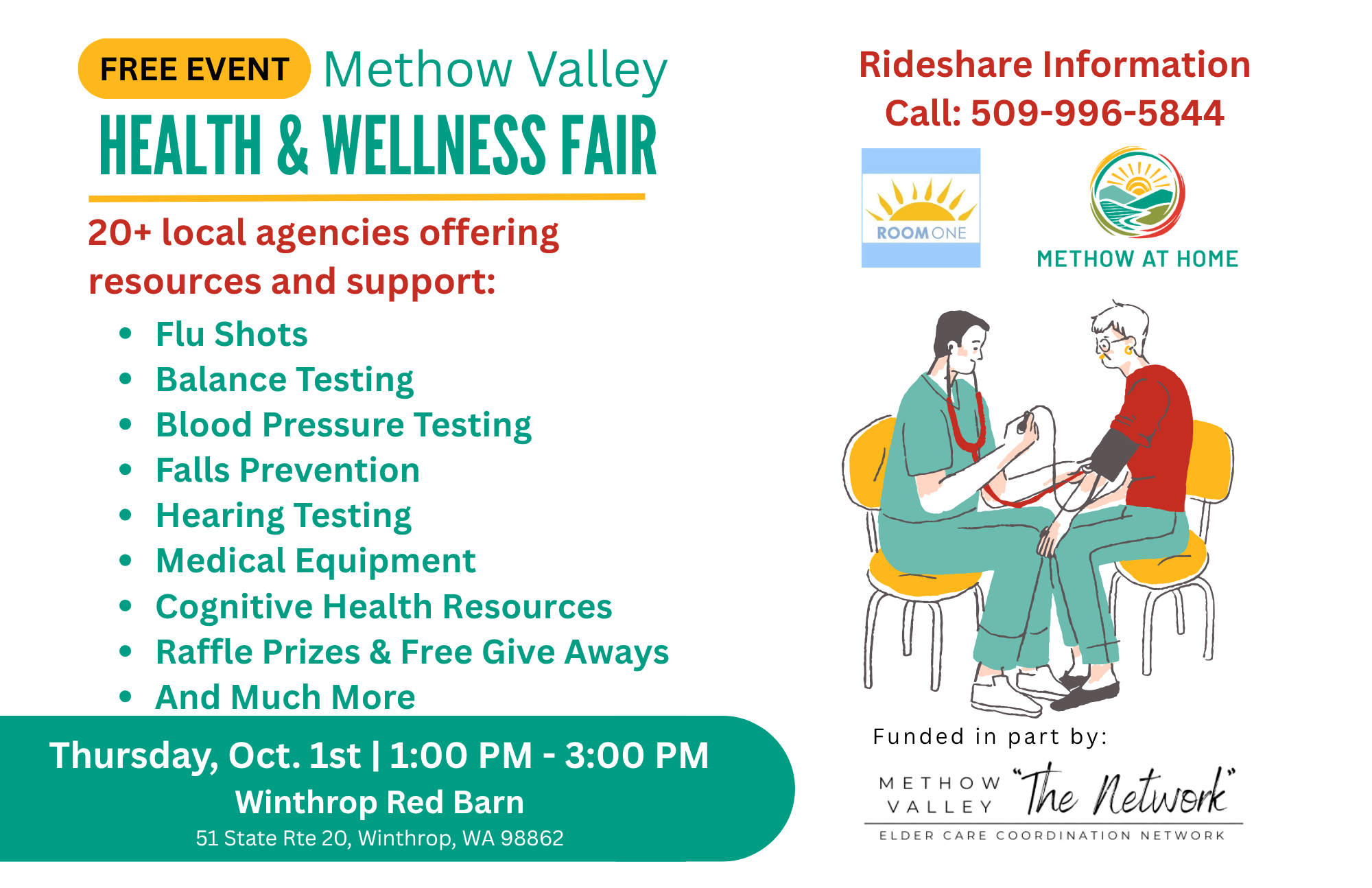
This event is funded by The Methow Valley Elder Care Coordination Network, a Network Development Grant awarded by the Health Resource & Service Administration (HRSA) as part of an award totaling $300,000 with 0% financed with non-governmental funds. To learn more about HRSA funding go to HRSA.gov.